
Top Safety Practices to Observe During Construction Safety Month
- Ronda Bivins

- Jun 1
- 3 min read
Construction sites are among the most hazardous workplaces, with risks ranging from falls and equipment accidents to exposure to harmful substances. Observing Construction Safety Month offers a vital opportunity to focus on reducing these risks and protecting workers. This post highlights essential safety practices that every construction professional should follow to create a safer work environment.

Promote Comprehensive Safety Training
Safety training is the foundation of accident prevention. Workers who understand hazards and proper procedures are less likely to make mistakes that lead to injuries.
Regular training sessions: Conduct ongoing safety workshops tailored to specific tasks and equipment.
Hands-on demonstrations: Show correct use of tools and protective gear rather than relying solely on lectures.
Emergency drills: Practice evacuation and first aid to prepare workers for unexpected situations.
For example, a construction company that implemented monthly safety drills saw a 30% drop in on-site injuries within six months. This shows how consistent training builds awareness and readiness.
Enforce Use of Personal Protective Equipment (PPE)
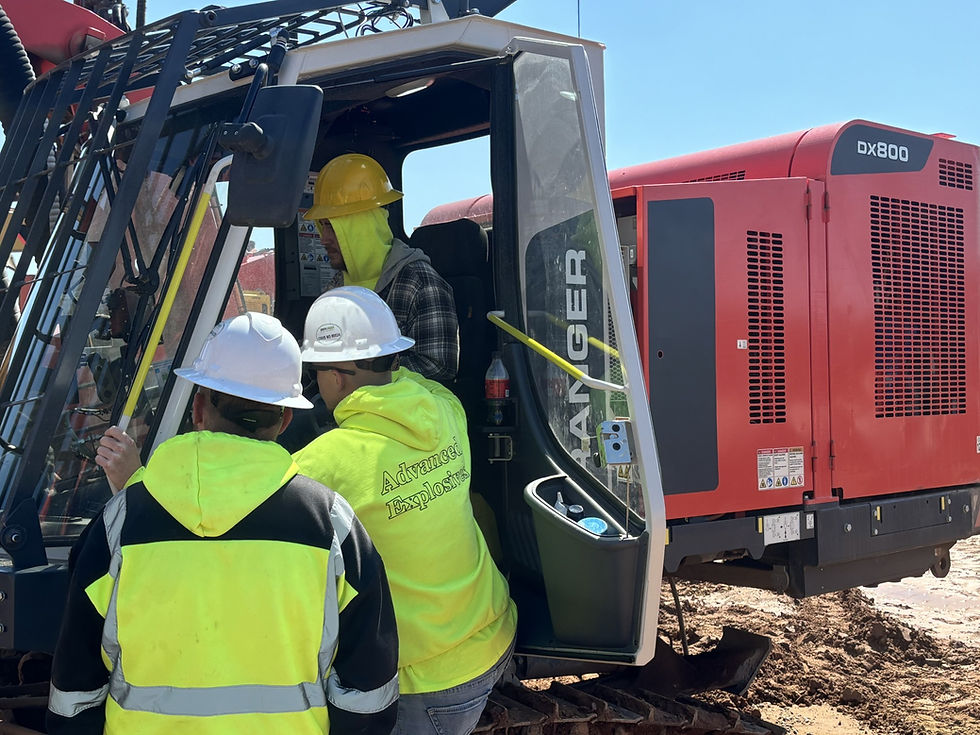
PPE is the last line of defense against many construction hazards. Ensuring workers wear the right gear can prevent serious injuries.
Hard hats to protect from falling objects
Safety goggles to shield eyes from dust and debris
High-visibility vests to improve visibility around heavy machinery
Gloves and steel-toed boots to protect hands and feet
Supervisors should regularly check that PPE fits properly and is in good condition. A culture that values PPE use encourages workers to take safety seriously.
Maintain Clear and Organized Worksites
Cluttered or disorganized sites increase the chance of trips, falls, and equipment accidents. Keeping the work area clean supports safer operations.
Designate storage areas for tools and materials to avoid hazards on walkways.
Mark hazard zones clearly with signs and barriers.
Remove debris promptly to prevent slips and falls.
For instance, a construction project that introduced daily site cleanups reduced slip-and-trip incidents by 25%. This simple step improves safety and efficiency.
Use Equipment Safely and Inspect Regularly
Heavy machinery and power tools are common sources of injury. Proper use and maintenance are critical.
Train operators on safe handling and controls.
Perform daily inspections to identify wear or damage.
Follow manufacturer guidelines for operation and repairs.
An example is a construction firm that implemented a checklist for equipment inspections. This practice caught potential failures early and prevented costly accidents.

Encourage Open Communication About Safety Concerns
Workers often notice hazards before supervisors do. Creating an environment where employees feel comfortable reporting risks can prevent accidents.
Establish anonymous reporting systems to remove fear of retaliation.
Hold regular safety meetings to discuss concerns and solutions.
Recognize and reward proactive safety behavior to motivate participation.
When workers know their input matters, they become active partners in maintaining a safe workplace.
Monitor Weather Conditions and Plan Accordingly
Weather can create dangerous conditions on construction sites, such as slippery surfaces or heat stress.
Check forecasts daily and adjust schedules to avoid extreme weather.
Provide shade and hydration during hot weather.
Use anti-slip mats and secure scaffolding during rain or snow.
Planning around weather reduces risks and protects workers’ health.
Implement Fall Protection Systems
Falls are a leading cause of injuries in construction. Using proper fall protection saves lives.
Install guardrails and safety nets where possible.
Use personal fall-arrest systems such as harnesses and lifelines.
Train workers on fall hazards and equipment use.
A construction company that invested in fall protection equipment and training cut fall-related injuries by 40% over a year.
Keep Emergency Equipment Accessible
Quick access to emergency equipment can reduce injury severity.
Place first aid kits at multiple locations.
Ensure fire extinguishers are available and inspected.
Provide eyewash stations near chemical use areas.
Regular checks ensure this equipment works when needed.
Observing Construction Safety Month is more than a formality. It’s a chance to reinforce habits that protect lives. By focusing on training, PPE, site organization, equipment safety, communication, weather planning, fall protection, and emergency readiness, construction teams can significantly reduce accidents.


Comments